History
A Valley Shaped Over Generations
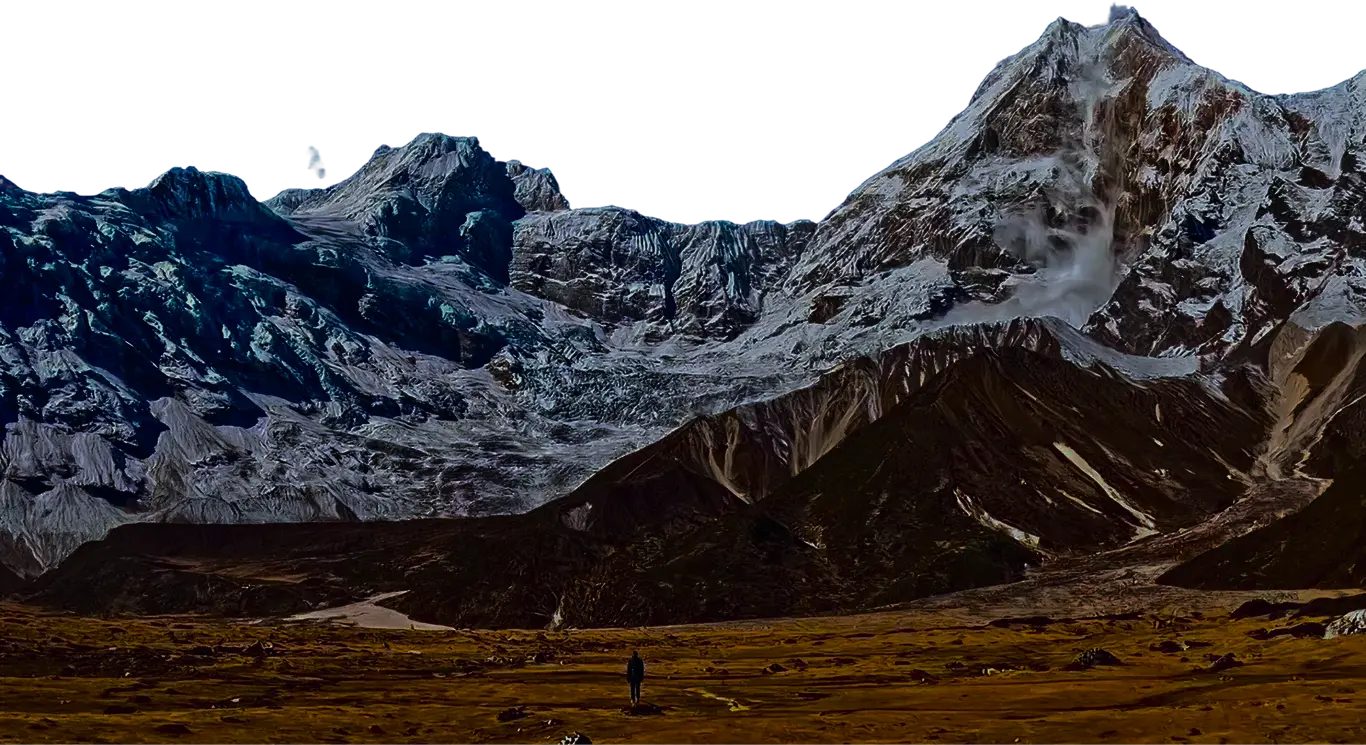
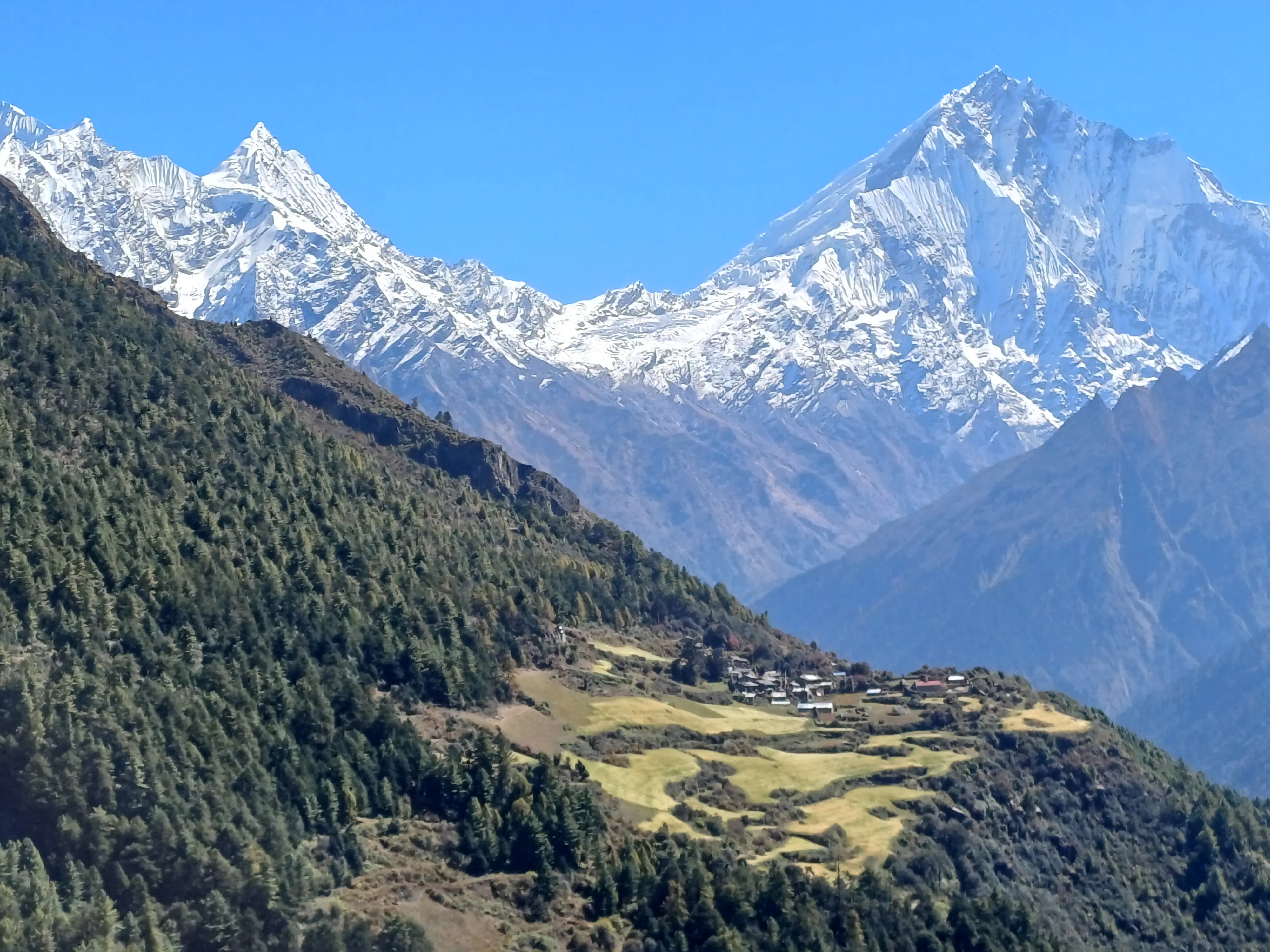
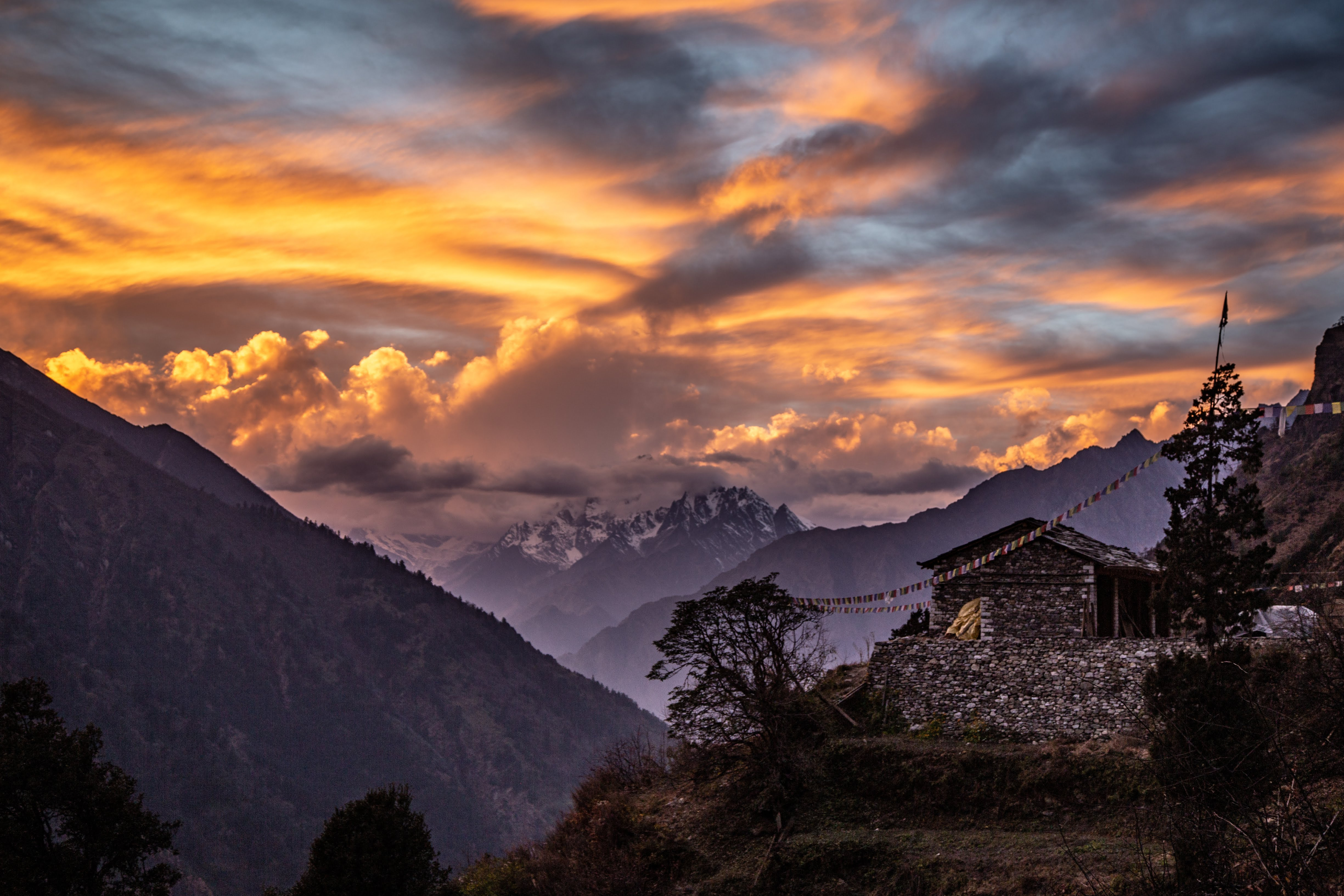
Tsum Valley has long been known as Beyul Kyimolung, a hidden sacred land in Himalayan Buddhist belief. For generations, the valley remained accessible mainly to pilgrims and local communities, allowing stone villages, monasteries, and traditional walking paths to develop in balance with the landscape. Guided by geography and faith, life here evolved at its own pace, closely tied to seasonal rhythms and spiritual practice.
Monasteries continue to serve as both spiritual and communal centers, while sacred sites remain woven into everyday movement across the valley. This long continuity has preserved a strong sense of identity, where history is not confined to the past but remains present in daily routines and rituals.
Culture
Culture as a Way of Living
Life in Tsum Valley is deeply influenced by Tibetan Buddhist values of compassion, respect for all living beings, and communal responsibility. Many villages observe non-violence toward animals, and seasonal festivals and religious events remain important moments of gathering.

Experiencing Tsum Valley
Journeys in Tsum Valley
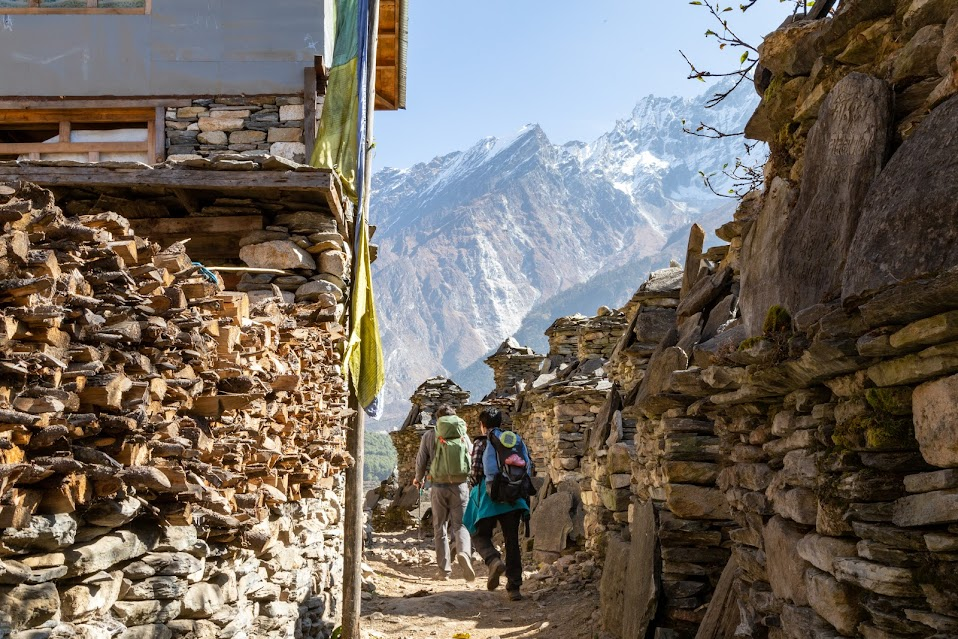
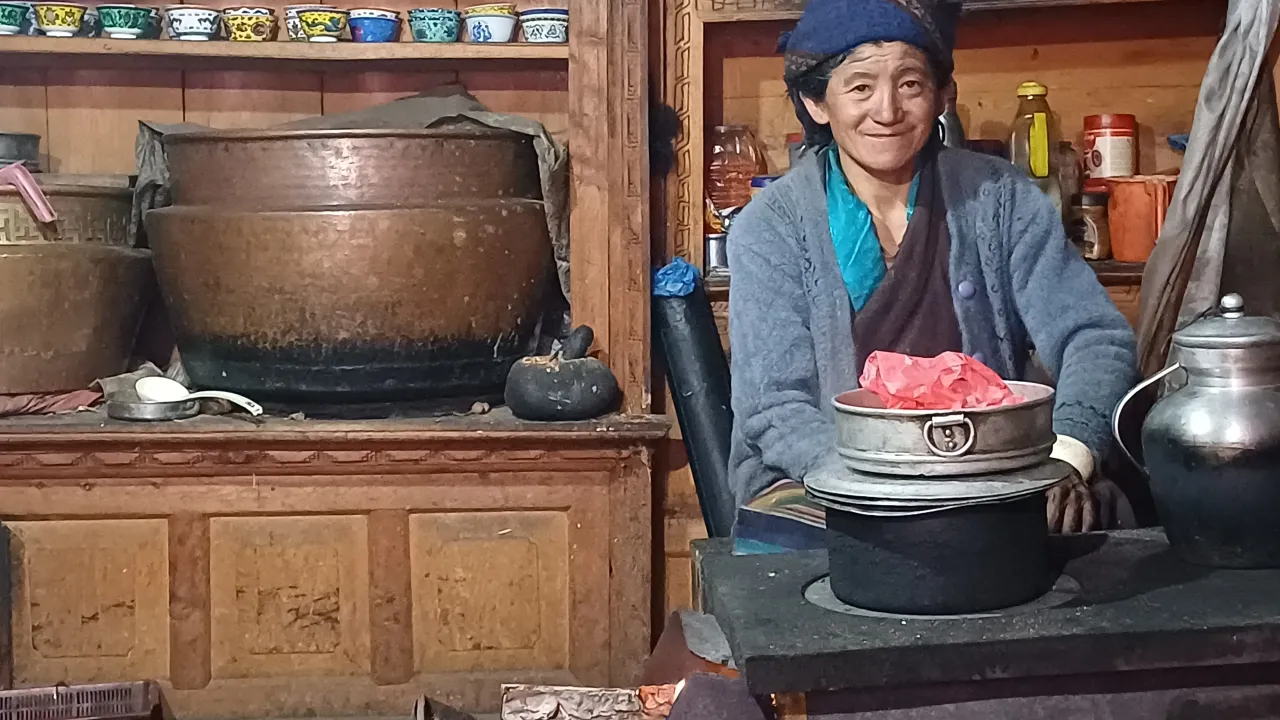
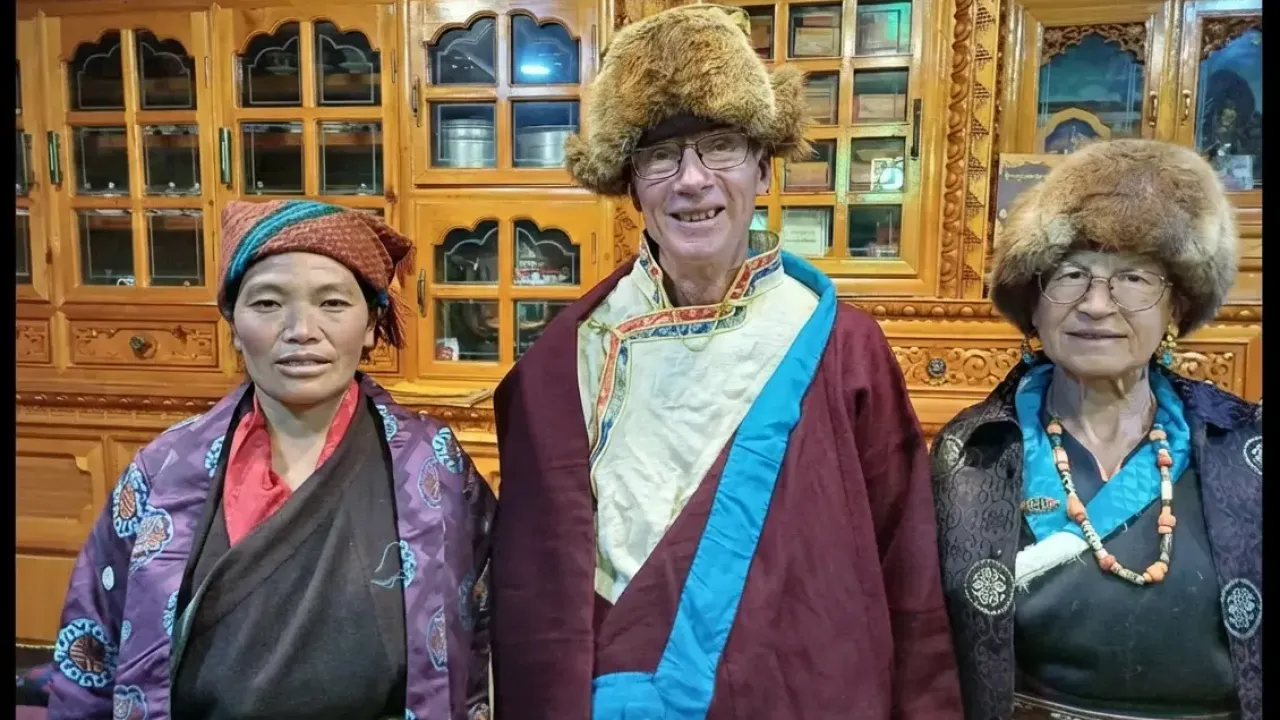
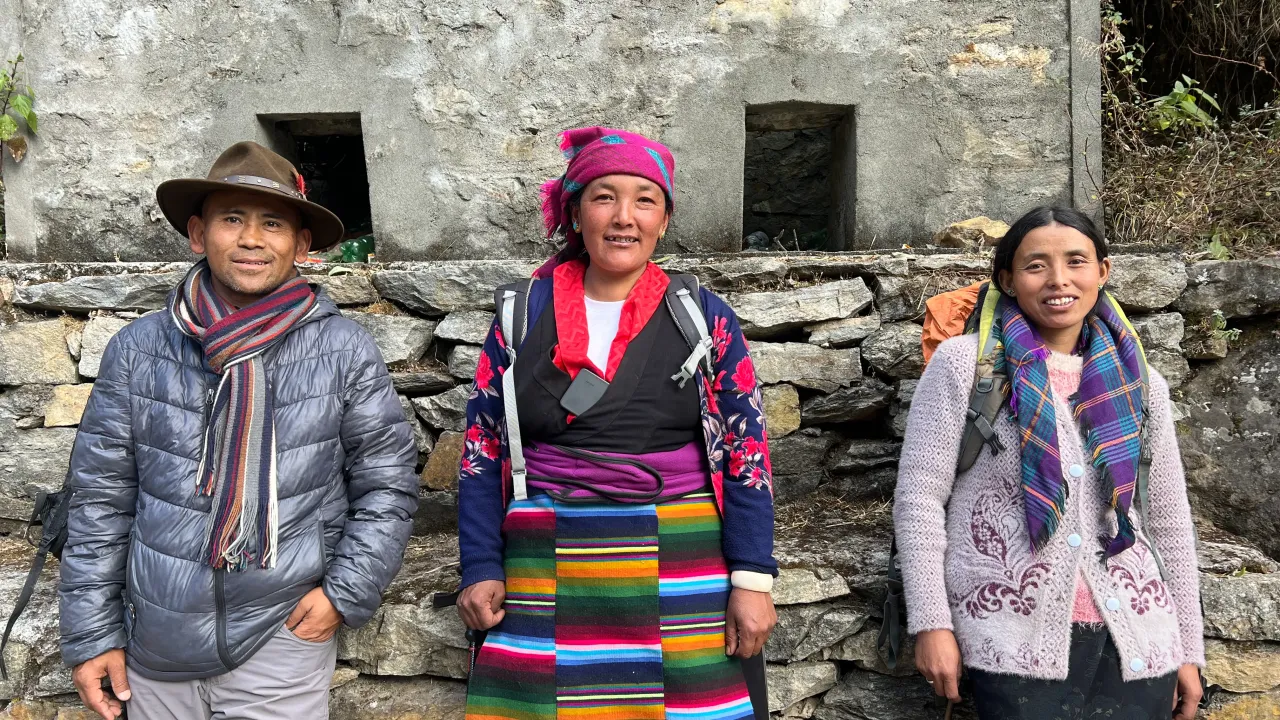
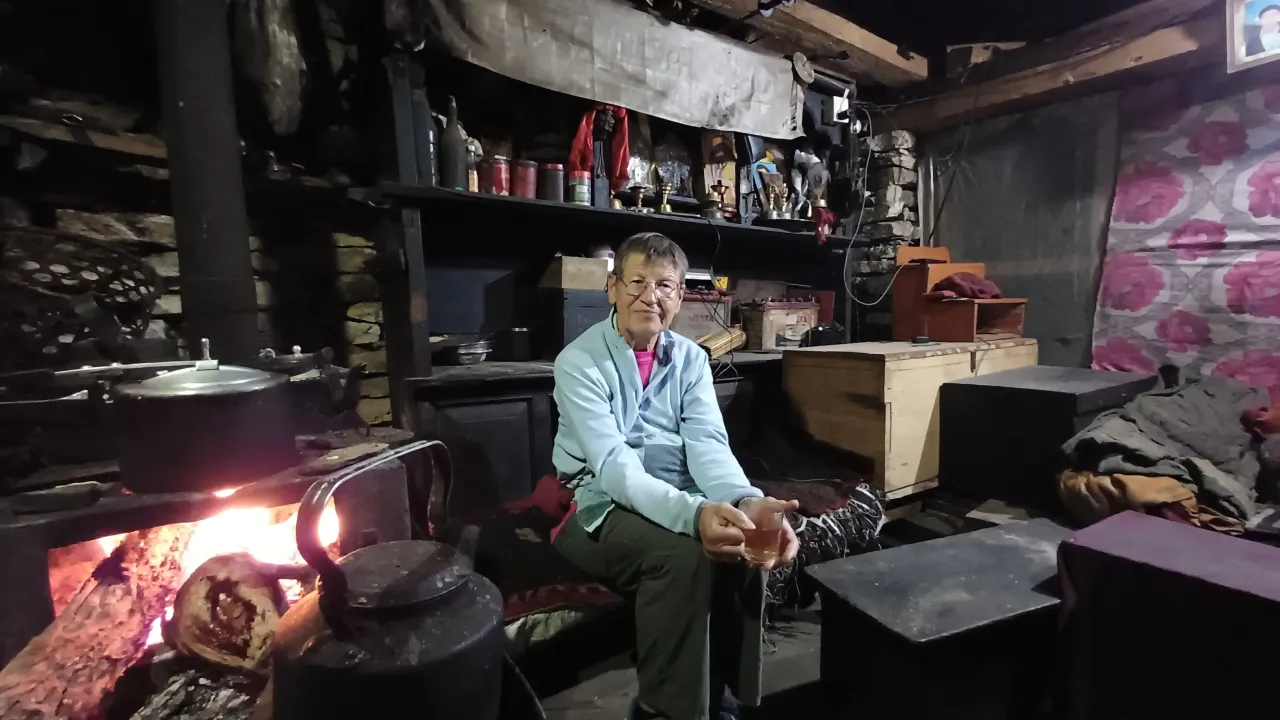
Travel in Tsum Valley unfolds through walking, staying, and shared time. Routes follow traditional paths that connect villages, monasteries, and grazing lands, allowing movement at a thoughtful pace. Stays take place in family homes along the way, where evenings are spent sharing meals, resting, and spending time with hosts.
This way of traveling offers an understanding of the valley from within — through daily routines, conversations, and time spent in place. Each journey supports local livelihoods and keeps tourism benefits within the community, while offering a deeper connection to Tsum Valley beyond its landscapes.