hero-banner

Our Story

A locally rooted, community-led trekking initiative from the sacred Tsum Valley of the Nepal Himalayas

TVHS Treks grew from a simple idea: tourism should serve the people and places it touches. When Tsum Valley was opened to foreign visitors in 2008—after years of local advocacy—there were no lodges, no teahouses, no trekking maps, and little understanding of how tourism could benefit villagers.

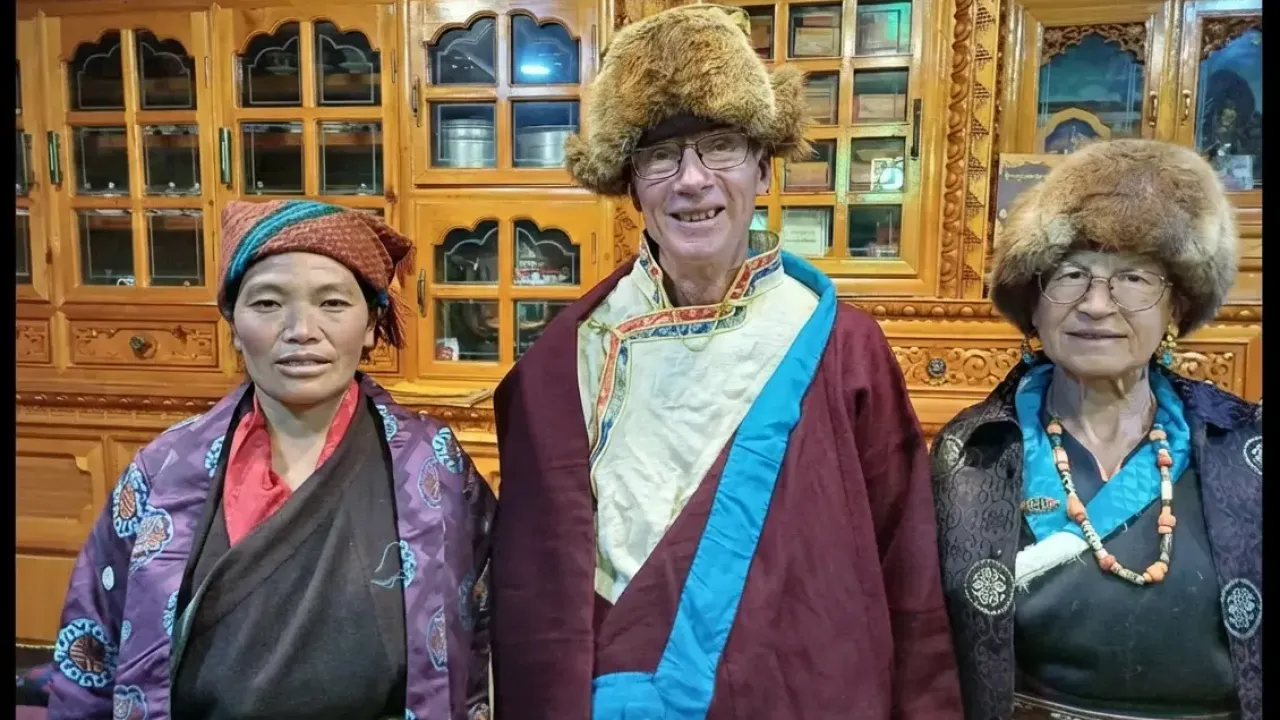
With no infrastructure and limited resources, trekkers were first welcomed into local homes, sharing meals and daily life with families in the valley. Over time, this approach created opportunities for households and allowed local youth to work as guides and hosts while remaining connected to their culture and community. Tourism income began to support village life directly, rather than flowing out of the valley.

Building Back a Beyul in Tsum — Nepali Times documents post-earthquake reconstruction works and community-led efforts to preserve Tsum Valley’s cultural heritage.

Read the article in Nepali Times

About Tsum Valley

A Living Landscape of Faith and Tradition

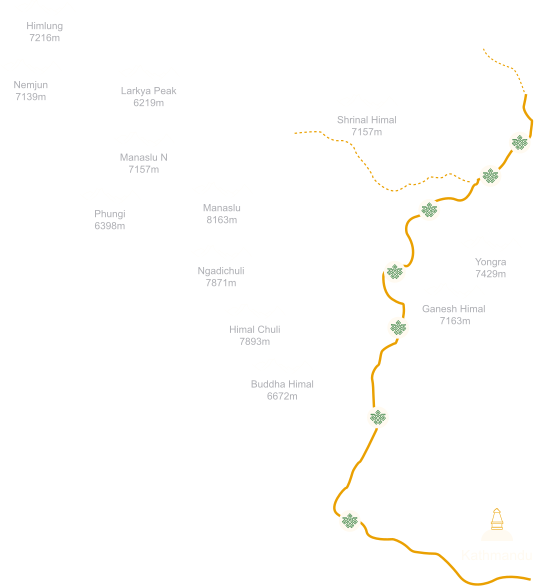
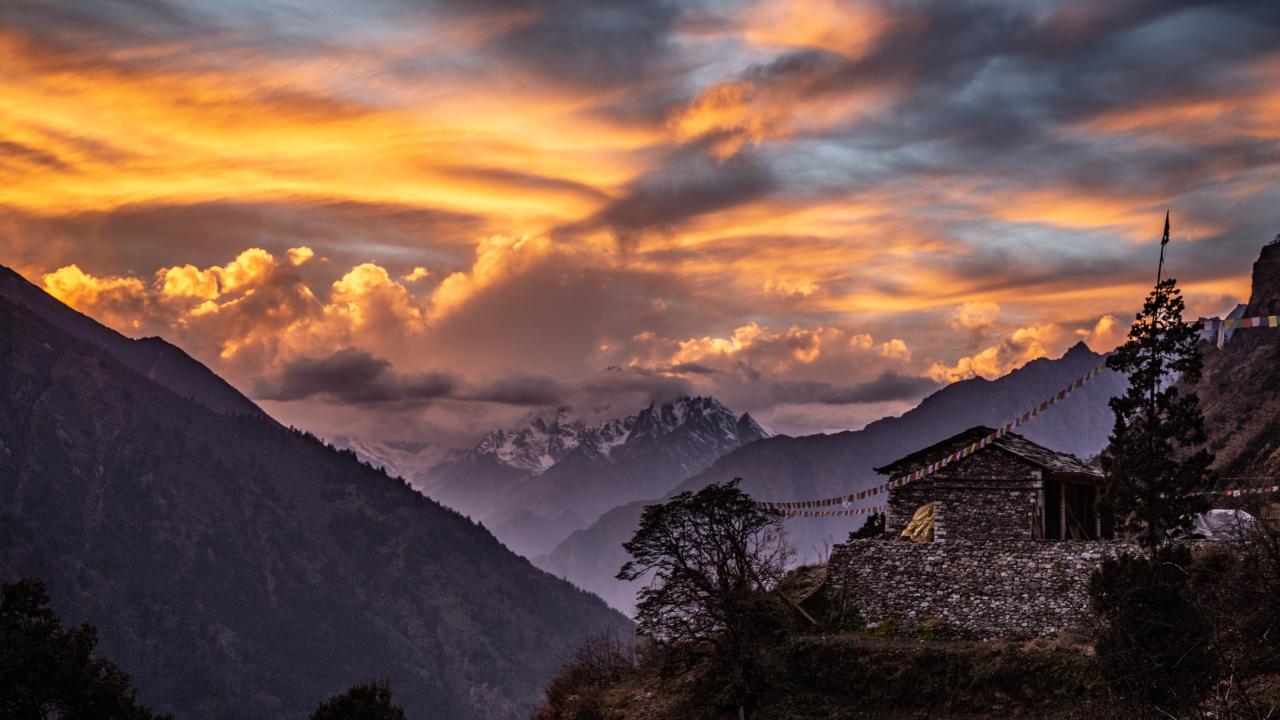
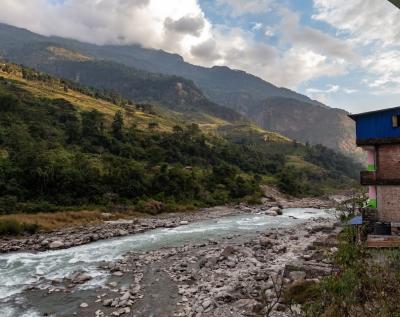
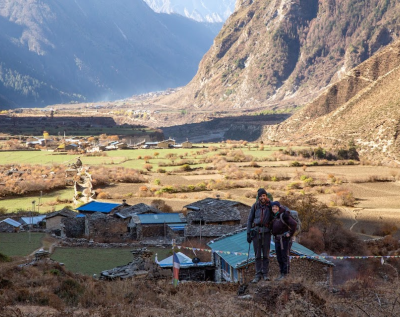
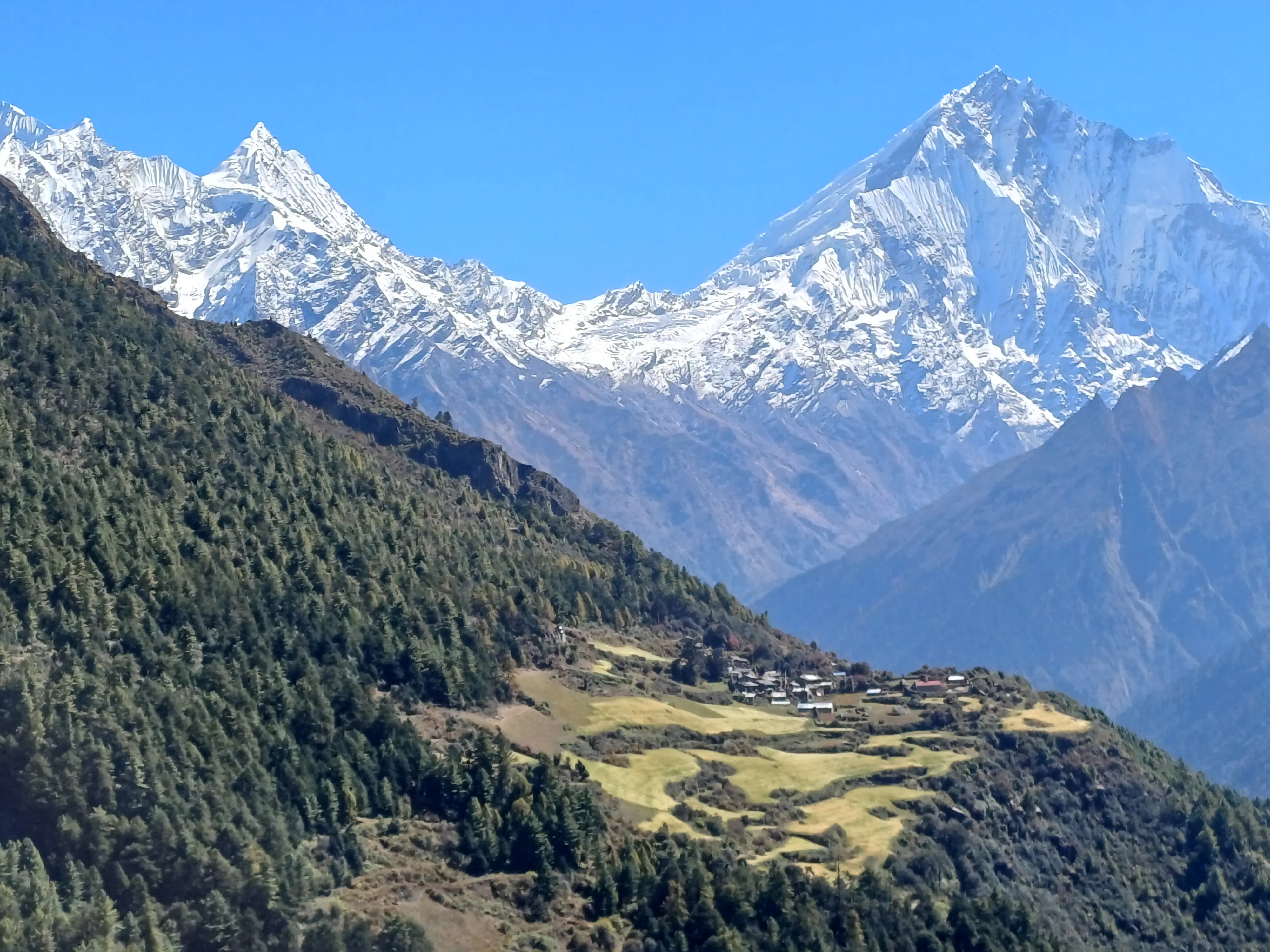
Tsum Valley lies in the northern Himalayas near the Tibetan border and was a restricted region for many years. Its remoteness allowed ancient Tibetan Buddhist traditions to continue with little outside influence. Monasteries, mani walls, chortens, and sacred caves remain central to daily life.

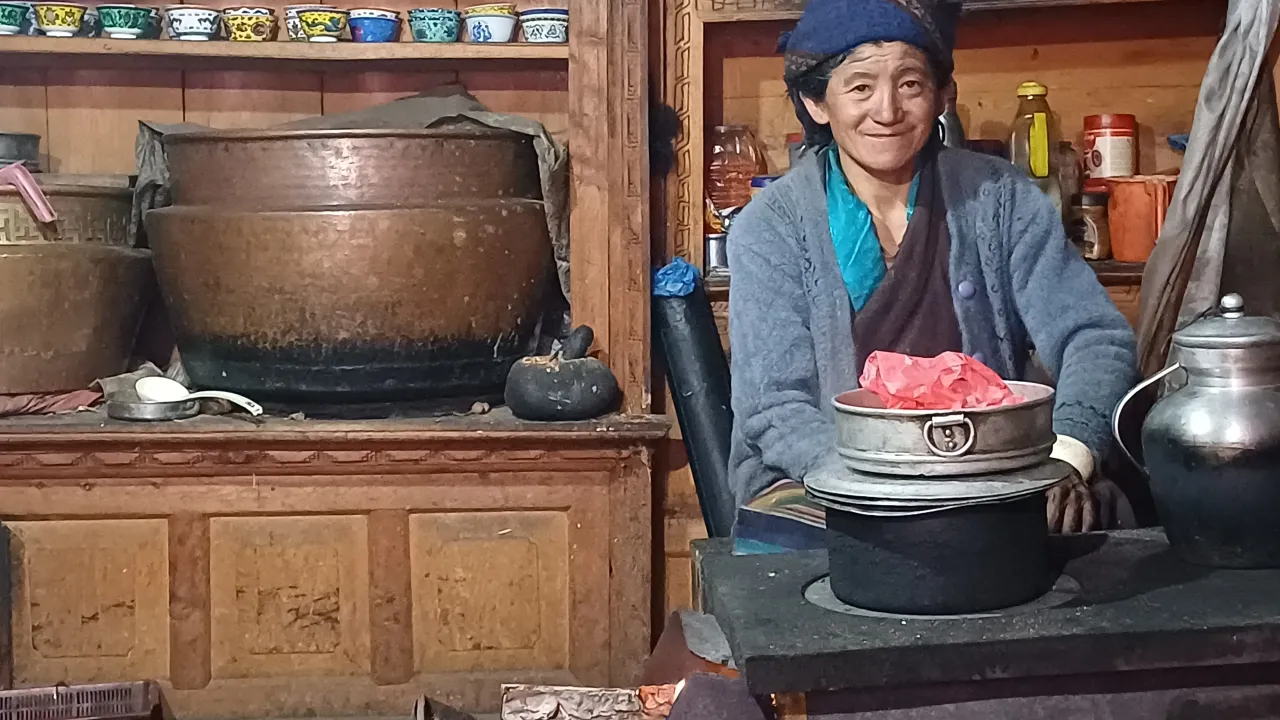
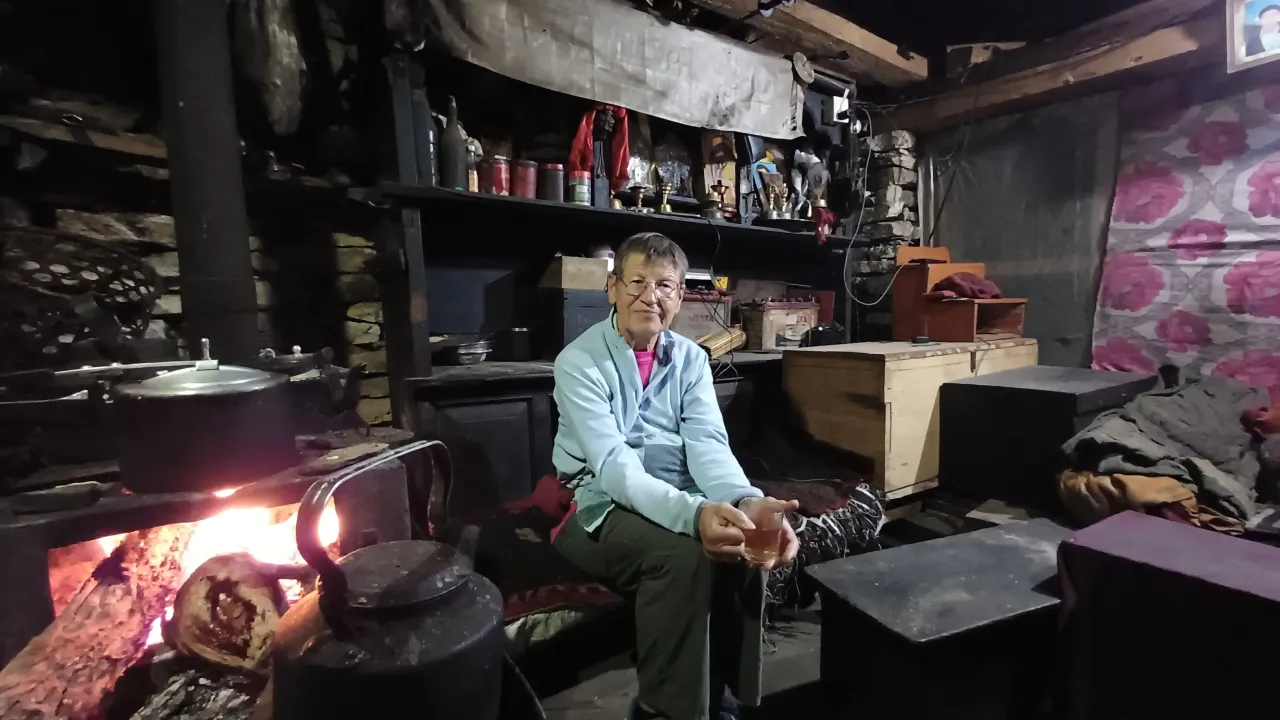
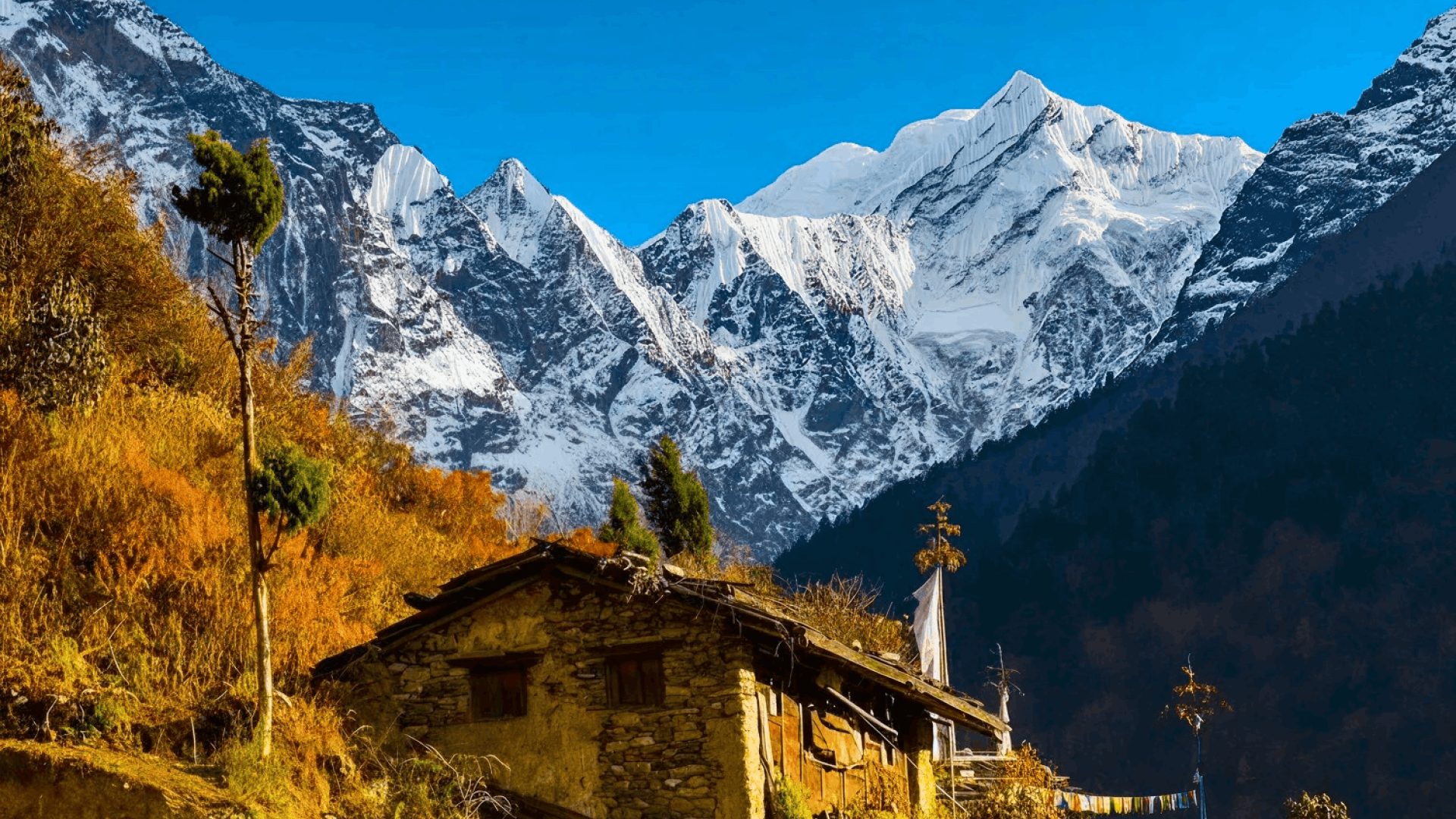
Stays take place in family homes along the route. Evenings are spent sharing meals, resting, and spending time with hosts. This creates a continuous experience where landscape, culture, and daily life are closely connected.

read more

A way to share the valley by offering culturally authentic stays in local homes, tea houses, monasteries, nunneries, and temple houses.

TVHS Treks  began as a local effort to create meaningful opportunities within the valley while welcoming travelers in a respectful way. For many years, visitors passed through Tsum Valley for its landscapes and monasteries, but had limited interaction with village life. At the same time, young people from the valley were leaving their homes in search of work elsewhere.

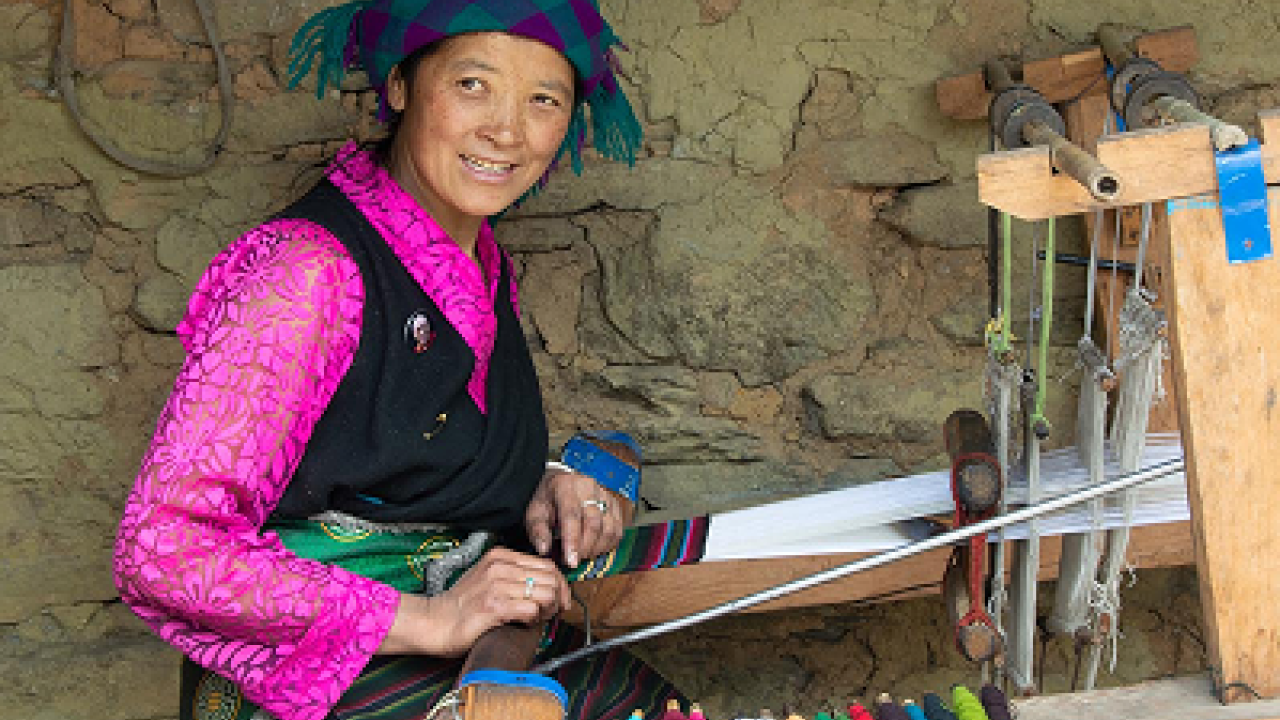
The homestay model offered a practical solution. Families could host guests in their own homes, and local youth could work as guides, coordinators, and hosts while staying connected to their culture and community. Tourism income began to support households directly, rather than flowing out of the valley.

read more

Testimonials

Voices from the Valley